
"natural sundried"
500 article(s) found
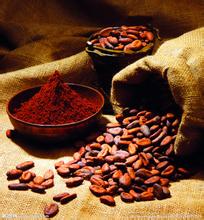
Brazilian coffee beans Santos Ethiopia Jimamoca coffee beans
Brazilian raw coffee beans are classified into 7 grades of N0.2No.8 according to the number of defective beans and sundries. The smaller the number, the higher the grade, and No.2 is the highest grade. According to the size of the particles, it is divided into 9 grades of S12S20, the larger the number, the bigger the particles, the higher the grade. S20 is the largest particle. Brazilian coffee generally refers to coffee produced in Brazil. There are many kinds of coffee in Brazil, such as

Introduction of variety characteristics of taste treatment method for flavor description of coffee bean manor in Brazil
Other kinds of Brazilian coffee, such as Rio and Parana, can be produced in large quantities because they do not need too much care. Although the taste is rough, it is a kind of coffee with good quality and low price. Because it is distributed all over Brazil and its solid quality varies, it has its own standard (according to the number of sundries).
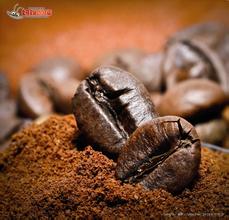
What are the main producing areas of Ethiopian coffee?
The Eastern Highlands of Ethiopia (Harerge province), which grows between 5000 and 7000 feet above sea level, was still wild on slopes a century ago. Raw beans are mostly medium size and long at both ends, with yellow or golden green color, strong chocolate smell when baking, wild taste with moderate acid and rich texture, very typical mocha flavor, good Hara with jasmine flowers.
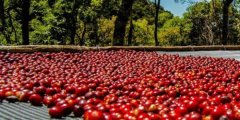
A brief introduction to the cultivation of boutique coffee beans in St. Roman Manor, geographical location, climate and altitude
Other kinds of Brazilian coffee, such as Rio and Parana, can be produced in large quantities because they do not require too much care. Although the taste is rough, it is a kind of high-quality and inexpensive coffee, which has its own standards because it is distributed all over the country and its solid quality varies (NO.2NO.8 according to the number of sundries, NO.13NO.19 according to the size of beans, six grades according to taste).

A brief introduction to the Market Price of High-altitude extra hard Bean St. Roman Manor Fine Coffee Bean varieties
Other kinds of Brazilian coffee, such as Rio and Parana, can be produced in large quantities because they do not require too much care. Although the taste is rough, it is a kind of high-quality and inexpensive coffee, which has its own standards because it is distributed all over the country and its solid quality varies (NO.2NO.8 according to the number of sundries, NO.13NO.19 according to the size of beans, six grades according to taste).

A brief introduction to the treatment method of grinding degree and baking degree of fine coffee beans in St. Roman Manor with mild acidity
Other kinds of Brazilian coffee, such as Rio and Parana, can be produced in large quantities because they do not need too much care. Although the taste is rough, it is a kind of good and cheap coffee. It has its own standard because it is distributed all over the country and its solid quality varies. It has its own standard (NO.2~NO.8 according to the number of sundries, NO.13~NO.19 according to the size of beans, and six grades according to taste).

Ethiopian coffee beans Brazilian coffee beans
Brazilian raw coffee beans are classified into 7 grades of N0.2No.8 according to the number of defective beans and sundries. The smaller the number, the higher the grade, and No.2 is the highest grade. According to the size of the particles, it is divided into 9 grades of S12S20, the larger the number, the bigger the particles, the higher the grade. S20 is the largest particle. Brazilian coffee generally refers to coffee produced in Brazil. There are many kinds of coffee in Brazil, such as

Introduction of Brazilian Coffee Bean Shantos Flavor description method with excellent sweetness
There are many kinds of Brazilian coffee beans, which are mainly treated by solarization, which are classified according to the name of the country of origin and the port of transport. Brazil has 27 states and 17 states produce coffee, but four of them produce the largest, accounting for 98% of the country's total output. Due to the scattered origin and uneven quality, the classification standard is not unified: NO.2~NO.8 according to the amount of sundries

Introduction to the flavor characteristics of Brazilian yellow bourbon coffee beans
Brazilian yellow bourbon coffee bean flavor characteristics taste characteristics other kinds of Brazilian coffee, such as Rio, Parana, etc., do not need too much care, can be mass-produced, although the taste is rough, but it is a kind of good and cheap coffee, because it is distributed all over Brazil, the solid quality varies, and has its own standard (NO according to the number of sundries).

A brief introduction to the unique and strong flavor and taste of Costa Rican Coffee Goddess Manor
Other kinds of Brazilian coffee, such as Rio and Parana, can be produced in large quantities because they do not need too much care. Although the taste is rough, it is a kind of good and cheap coffee. It has its own standard because it is distributed all over the country and its solid quality varies. It has its own standard (NO.2~NO.8 according to the number of sundries, NO.13~NO.19 according to the size of beans, and six grades according to taste).

Introduction to the description of Flavor of Colombian Rosa Coffee Bean by Variety treatment
The Flavor description of Colombian Rosa Coffee Bean production area Variety treatment method introduces that Colombian coffee beans have the largest and fullest grains of high-quality beans, with very few defective beans and sundries, while the preferred grade (excelso) is the smaller, more common grade. Colombian coffee has a balanced flavor, strong acidity, unique flavor characteristics and relatively full consistency.

The refining method of coffee beans
Generally speaking, there are three kinds of treatment from coffee fruit to raw coffee bean: drying treatment, washing treatment, semi-dry and semi-wet treatment. What is the difference between the three steps? Which is better or worse? (drying in the sun field) drying treatment is the most primitive and simple treatment. 1. After the coffee fruit is actually harvested, it is sent to the sun field to spread evenly, and it is often turned so that the coffee fruit can be evenly distributed.

Sidamo Coffee Bean Introduction, Sidamo Coffee Growing Flavor
Pay attention to the coffee comment (Weixin Official Accounts vdailycom ) and discover a beautiful cafe to open its own shop Name: Ethiopia Democratic Federal Republic (Ethiopia) Location: Located in the plateau of northeastern Africa. Neighboring countries: North Eritrea, South Kenya, East Somalia Djibouti, West Sudan Land area
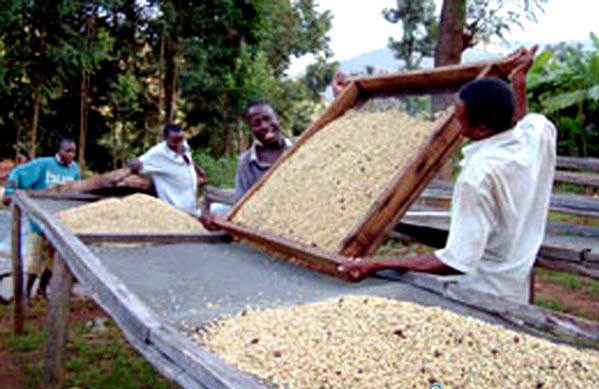
Introduction to the treatment of raw coffee beans: classification and introduction of various refining methods of coffee beans
Generally speaking, there are three kinds of treatment from coffee fruit to raw coffee bean: drying treatment, washing treatment, semi-dry and semi-wet treatment. What is the difference between the three steps? Which is better or worse? (drying in the sun field) drying treatment is the most primitive and simple treatment. 1. After the coffee fruit is actually harvested, it is sent to the sun field to spread evenly, and it is often turned so that the coffee fruit can be evenly distributed.

Coffee raw beans distinguish the advantages and disadvantages of coffee beans how to choose the defects of ripe coffee beans
Professional coffee knowledge exchange more coffee bean information Please pay attention to the coffee workshop (Wechat official account cafe_style) Coffee raw beans in the processing process will be mixed with some sundries or encounter overfermented raw beans, which will affect the flavor of coffee, beans need to be manually removed, so what are defective raw beans? First, the endocarp of coffee with shell beans is covered with coffee

Description of flavor and taste characteristics of Costa Rican Yersalo Coffee Manor with unique and strong flavor
Other kinds of Brazilian coffee, such as Rio and Parana, can be produced in large quantities because they do not need too much care. Although the taste is rough, it is a kind of good and cheap coffee. It has its own standard because it is distributed all over the country and its solid quality varies. It has its own standard (NO.2~NO.8 according to the number of sundries, NO.13~NO.19 according to the size of beans, and six grades according to taste).

Taste mellow Costa Rican Diamond Hill boutique coffee beans grind degree baking degree treatment method simple
Other kinds of Brazilian coffee, such as Rio and Parana, can be produced in large quantities because they do not need too much care. Although the taste is rough, it is a kind of good and cheap coffee. It has its own standard because it is distributed all over the country and its solid quality varies. It has its own standard (NO.2~NO.8 according to the number of sundries, NO.13~NO.19 according to the size of beans, and six grades according to taste).

Introduction to the characteristics of strong Costa Rican Coffee Flavor description Variety production areas
Other kinds of Brazilian coffee, such as Rio and Parana, can be produced in large quantities because they do not need too much care. Although the taste is rough, it is a kind of good and cheap coffee. It has its own standard because it is distributed all over the country and its solid quality varies. It has its own standard (NO.2~NO.8 according to the number of sundries, NO.13~NO.19 according to the size of beans, and six grades according to taste).

Fine coffee treated with red wine
High-quality coffee beans are refined by water treatment. The coffee beans with less impurities can be obtained by the water washing method, but if the water quality and time are not properly controlled during the fermentation process, the coffee beans will easily be infected with the sour taste of excessive fermentation. and dry beans also need to pay attention to timely re-inspection to prevent coffee beans from being contaminated by wet ground and sundries. Processed

Unique strong Costa Rican boutique coffee Diamond Hill Manor Coffee Grinding degree roasting degree treatment method
Other kinds of Brazilian coffee, such as Rio and Parana, can be produced in large quantities because they do not need too much care. Although the taste is rough, it is a kind of good and cheap coffee. It has its own standard because it is distributed all over the country and its solid quality varies. It has its own standard (NO.2~NO.8 according to the number of sundries, NO.13~NO.19 according to the size of beans, and six grades according to taste).